
We LOVE to read!
A love for reading can be hugely valuable for children. Each week, we have a ‘Book Club’ lesson. During this, the children are given opportunities to develop a desire to read. The children are able to select their own reading material and enjoy spending time in our relaxed and comfortable book area.


Help at home
Children who may not be interested in reading will have subjects and topics that they are excited about, such as sports, movies or animals. Discussing books on a topic or subject that the child finds exciting will likely whet their appetite for that book. When children find reading fun and enjoyable, they are likely to repeatedly spend time with books, become engaged readers, and gain the benefits of leisure reading.
Please note that, if your child is reading as part of a group, it is essential that they have read to their given target page before the next session. If this has not been completed, it has an impact on the rest of that particular group and can create unnecessary embarrassment.
Help at home with times tables
By the end of Year 4, all children are expected to be able to recall their multiplication tables up to 12 x 12, fluently (being able to answer times tables questions accurately and quickly, without having to work out the answers). In class, we rehearse these in many different ways and it really helps children if this learning is continued at home.
How can I support my child in learning their multiplication tables facts?
Little and often is best and make times tables learning fun. Some ideas include: climb stairs counting in multiples, play verbal times tables games; listen to and learn times tables songs; take it in turns to
say different times tables in funny voices, i.e. a lions voice; play on-line maths games and use times tables grids.
Times Table Rock Stars is a fun, interactive way to support your child in learning their times tables.
Times table grids – no technology needed!
Multiplication grids are an essential feature in the classroom. These can be used at home and a free template can be downloaded here. https://thirdspacelearning.com/resources/resource-ks1-ks2-times-tables-grid-printable-pack/
The children are very competent at using these grids and could use them to test someone at home!
Start with columns and rows headed in numerical order. Children race to fill in their blank times tables grid as quickly as possible (noting down the time taken to do so to allow them to see if they can improve on their time during future times table grid races). Once your child has mastered the
times tables in order, randomise the column and row headings on the children’s blank times tables grids. There are lots more ideas about how times tables grids can be used on the internet.
Using arrays
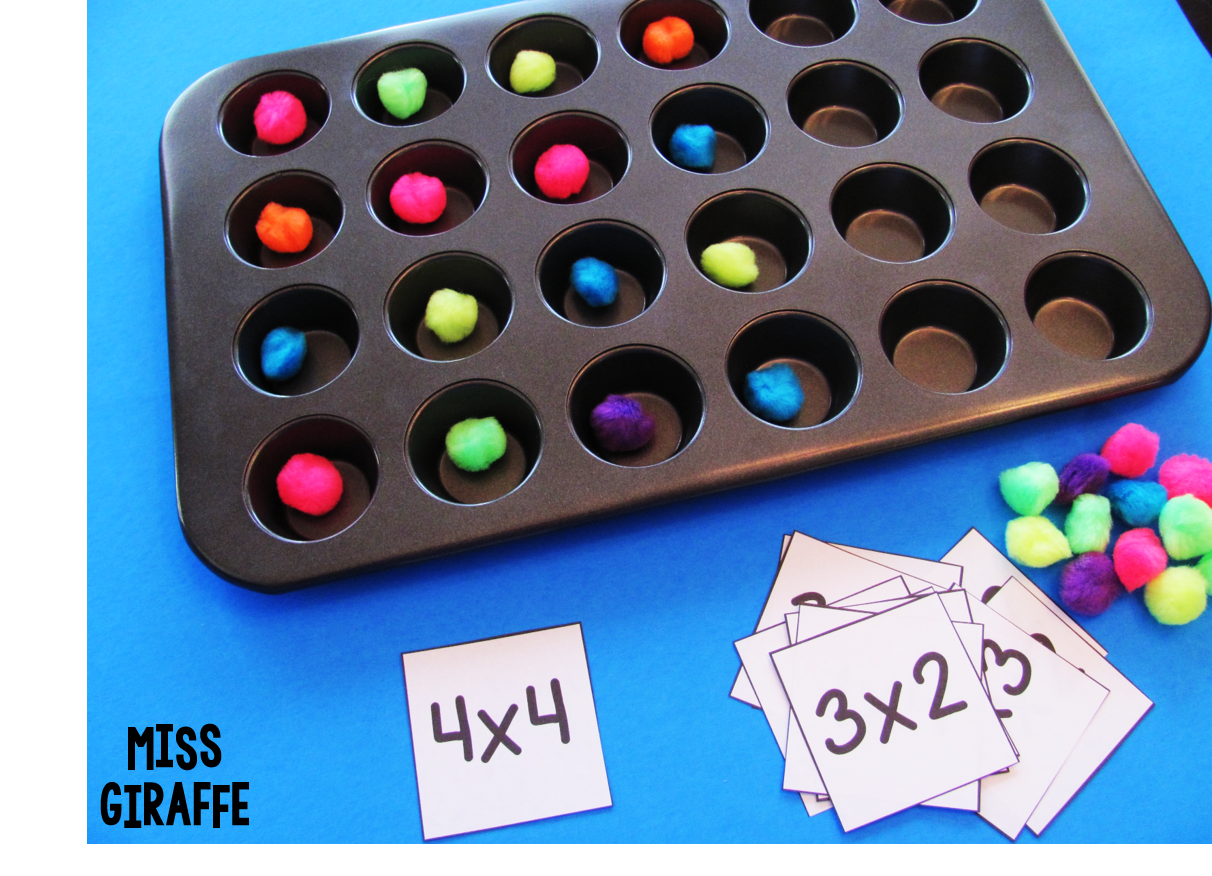
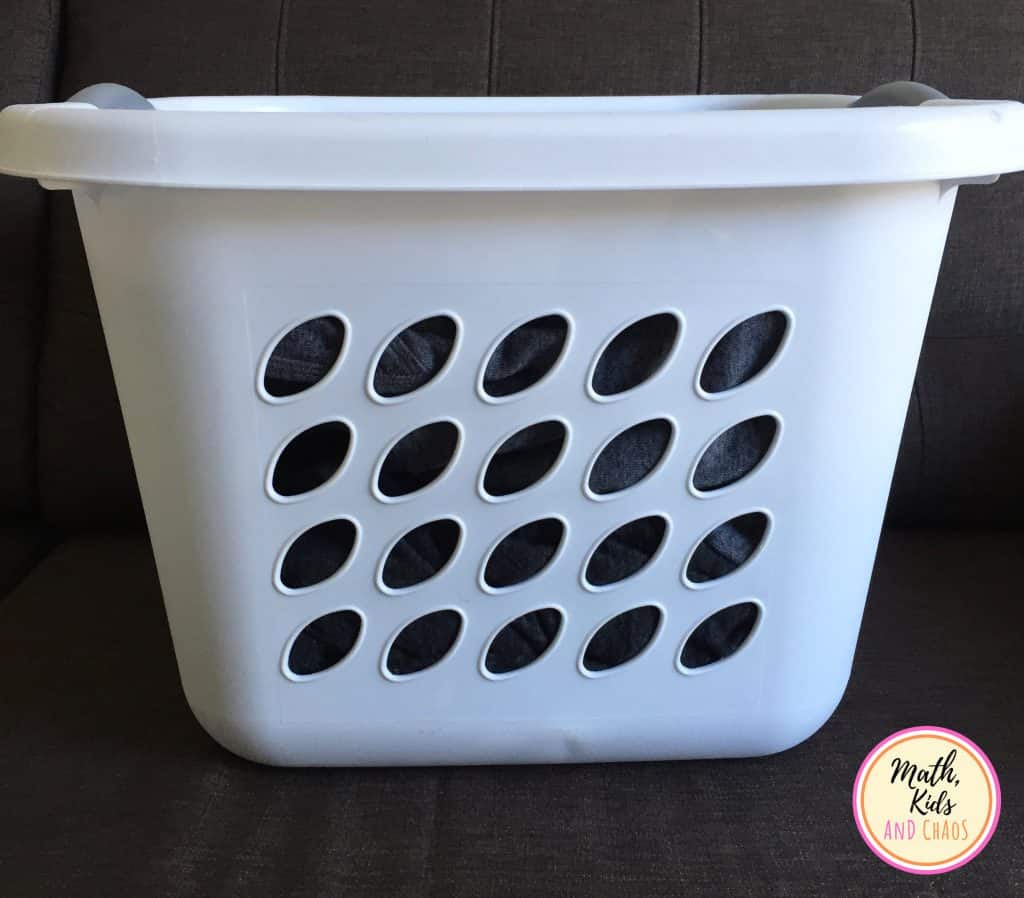
Multiplication arrays provide a simple visual model that helps children to understand the concept of multiplication. A multiplication array is simply an arrangement of rows or columns that matches a multiplication equation. You can make arrays out of objects or pictures, and you can use any sort of shape. Look around your home. Do you have any household objects that show arrays?


We made amazing magnet games!
To finish our forces and magnets topic, Years 3 and 4 created some games using magnetic force.
Their favourite was the fishing game where they put some magnetic tape onto a rod and a paperclip inside a fish. They explained they knew that the tape would be attracted to the paper clip, so we could catch some fish!
As we did such a great job, we went and showed Reception our work.


 H

Help at home: Can your child explain how they created their game? Can they explain what we mean by magnets and how they attract and repel?
Week 6 – My body
What a lovely sunny week we have had! Our focus book this week has been a non-fiction book all about our bodies. We have learnt more about x-rays and the different bones in our bodies.

We have used charcoal and chalk and create images of a skeleton and observational drawing of our hands. We explored smudging and creating different effects with the different materials.


We learnt more about the 5 different senses and went on a senses walk around school. It was amazing what we heard when we listened carefully. Whilst exploring on the school field we even heard a chicken! We then recorded the different things we had noticed through our senses.


We had a very special surprise when we arrived in school on Monday. Our butterflies have appeared! They are beautiful and lots of different colours. We released our special friends into the school field.


What can I see? What can I see?
This week our focus book has been ‘The Train Ride’ by June Crebbin. We talked about what you might see on a train ride if you were looking out of the window, like the girl in the story.
“Some cows and sheep in the big fields”- Frankie
“The window is a mirror you can see yourself”- Gracie
“You might go through a tunnel and it will be very dark and you would need a torch so you can see” -C
Here are some of the activities we have been exploring in provision


The children really enjoyed their PE session outside in the sunshine. We played ‘Ants in your pants’. The children used a hoop as their pants and the beanbags were the ants. The children used their throwing skills to see how many ants they could get in their partners pants!


During our maths learning this week our focus has been looking for shapes within the environment. See if you can guess which shapes we found!


Reminder
We are coming into our last week before half term, it’s set to be a warm one! So please could I remind all parents/carers that sun cream should be applied before coming to school and that all children come with a sun hat and water bottle. Your child’s water bottle will be refilled throughout the day.
Have a fantastic weekend, remember to stay sun safe!
Miss Ward
Topic – Leonora Cohen
This week, we have been learning about Leonora Cohen. We have found out that she was a Suffragette who was born in Leeds. The Suffragettes protested about the inequality of women not being able to vote.
We looked carefully at some of the items worn by Suffragettes to show their support and what they believe in.

We commented on how they all used the same three colours.
purple = dignity green = hope white = purity
We also looked at the dress Leonora Cohen designed and wore to a ball and discussed why we thought she designed it this way.

“It has the same colours as the items. Purple, green and white.”
“It has a woman showing she was fighting for equality for women”
“It has the word Suffragettes so people knew what she believed.”
We designed our own Suffragette dress thinking carefully about the colours and the designs.


Today, we split into groups and created a freeze frame of the moment Leonora Cohen was arrested for one of her more violent protests.


Help at home:
Watch this video (This is a YouTube link. Top tip for watching YouTube with your child: go to the settings cog along the play bar and turn off autoplay – this avoids an inappropriate clip coming up automatically, and helps to discourage your child from passively watching clip after clip) and look at the pictures below to tell someone at home what you can remember about the Suffragettes?

Week 5 – Farmyard Hullabaloo
We have been down on the farm this week in Reception! Our focus story has taken us on a farmyard adventure visiting the different animals. We did some fantastic writing using adjectives to describe the different farm animals.

We have been working hard on our sewing projects and we have now finished our animal puppets. We added facial features and checked they were tightly sewn together.


In maths this week we have been learning more about number tracks. We used cubes to represent different numbers and then created our own tracks and counted starting at different points.


We have been learning more about different animals that we might see on a farm. Oscar asked “what is a baby duck called?” we decided to learn more about different adult and child animal names.


We have really enjoyed our poem this week. We really hope you enjoy it too!
Our observations on our caterpillars have continued this week. We have discovered that they have started their next stage of their lifecycle. We cannot wait to see them transform into butterflies.

We hope you all have a wonderful weekend!
Living and Learning: I know the importance of ‘five a day’
For our living and learning session, we were thinking about what makes a healthy diet and how we need to eat five portions of fruit and veg a day.
We learned what a portion was and how the size of the portion changes depending on what the food is – whether it’s as a juice, fresh or dried.
We heard about Lucas and his food diary. We looked at how we could improve his diet to make it healthier. 
We had a look at different foods and decided which food groups they should go into and how we were going to try and include ‘five a day’ in our healthy diets.


Meeting an author
Tom Palmer virtual visit
Today, the children had a virtual visit from Tom Palmer (and his dog Finn) who is an author that writes children’s books.

Tom began by talking about how he got into writing…

As a child, Tom didn’t enjoy reading, didn’t think he was any good at it and didn’t like it until his mum tricked him into it by using football! He began to read comics and newspapers about football and this helped him practise his reading. Tom found that the more he read, the more he enjoyed it!
His love for reading then inspired him to become an author and his ideas for different books come mainly from football, animals and war. “Write about what you love,” said Tom.
Question time!
Some of the children had the opportunity to ask Tom a question such as;
How long does it take for you to write a book?
It depends! Some books take 6 weeks to write and some take 6 months… it depends what I’m writing about and how long the book is.
What gave you inspiration for ‘Arctic Star’?
My wife used to work on HMS Belfast so her stories about the ship inspired me to write about a warship.
Why have you set some of your stories in Leeds?
I set some of my stories in Leeds because I’m from Leeds! Writing about somewhere that I know makes it easier as I can add more detail to my stories.
Have you travelled to the places you have written about?
Yes, I have been inspired by the different countries I have visited. However, travelling around the world is very expensive!
Help at home by researching Tom Palmer’s website. Find out more about the author and explore some of his fantastic books. https://tompalmer.co.uk/
Week 4 – Rumble in the Jungle
We hope you all enjoyed the bank holiday weekend! This week has been actioned packed in Reception. Our focus story has been ‘Rumble in the Jungle’ we have loved exploring the different rhyming words and creating movements to match the animals.

We have been creating our very own rainforests using a range of different materials. In construction we thought of bigger objects we could use, whilst in our creative areas we used different paints to create different trees and animals.


We have used our computer skills to find out facts about different animals that live in the rainforest. We then turned these into our own animal fact files!
We have began a special project! We are learning to sew! This week we have thought about the shape of our animal hand puppets and learnt how to threat the needle. We are using running stitch to stitch the two parts together. Please keep a watch out for how these develop next week.


Our caterpillars are getting quite large now! It will soon be time for them to start the next part of their lifecycle into a butterfly.

School is closed on Monday 15 May for a staff training day. We can’t wait to see you all back in school on Tuesday 16 May.