
Training day – Arty Ideas
We thought you’d enjoy hearing a little about what went on during our recent teacher training day! Part of the day was dedicated to developing our art knowledge and skills with our resident art teacher, Mrs Boulton.
Teachers got hands-on with paints, pastels and even soap! There was plenty of colour, laughter, and even a bit of friendly competition as we experimented with new techniques and ideas for upcoming art lessons.
The rest of the day focussed on other important areas too, including maths and inclusion. It was a full, productive day – and we left feeling ready and excited for the next half-term!


Geography – Fieldwork and application of what we have learned to our local area
We have concluded our Geography learning for this half-term with some field work to investigate how land is used in Wetherby.

The children were excellent at identifying the different uses including: commercial, residential, recreational and transport. We were disappointed not to find any land being used for agricultural purposes near our school.
Later in the week, we were inspired by Poppy’s news that people who live near her have petitioned the council to preserve the use of land for agricultural purposes. We each decided what we thought the land should be used for and shared our views with the rest of the class.


Help at home: you could take a walk in your local area and see if you can find examples of the different land uses. Here are some examples we found when doing our field work to inspire you.


Thank you – Harvest
Thank you for your Harvest donations! Year 4 dropped them off at the donation point in Morrisons for Wetherby Food Bank on their way to Harvest Festival.

Also a huge well done to all of Year 4 who shared our poem ‘Thankful – From Seed to Plate’.

Science – Getting excited about states of matter – lava lamps
Next half term, our learning in science will be about states of matter. To kick our learning off with a bang (metaphorical rather than actual this time) we made lava lamps today.
We discussed how the different densities of the liquids meant that oil and water separated when poured into the same container.

After we added food colouring, we added an effervescent tablet (and enjoyed the challenge of saying effervescent!) The resulting reaction generated lots of awe and wonder from Year 4. You can see some examples of what we saw below:


We discussed how we had to stay safe by leaving the lid off the jar so the gas could escape and not create pressure which might cause the jar to shatter.
I know lots of children would like to recreate the activity at home, you can find full details here: Instructions to make a lava lamp
Help at home: If you enjoy experimenting at home, you can find lots of ideas here: Science at home
JLT elections
With 14 strong candidates for the two positions of Year 4 JLT representatives, it was always going to be a tough decision for our voters!

Today, many courageous Year 4 children spoke confidently to their peers explaining why they would be a great leader. All children presented persuasive and coherent arguments for why they should be chosen.
As a democracy, each child had one vote which they cast in private in the voting booth. This was then submitted anonymously in the polling box.


I am incredibly proud of all the children who nominated themselves for JLT as well as all the children who showed respect when listening to the speeches. Seeing this group of incredible young people makes me think our future is in safe hands!
Living & Learning – Protected characteristics
Our Living & Learning statement this week was:
I understand some characteristics are protected by law.
This week we learnt about the protected characteristics. We discussed what they are and how and why they’re protected.
What is discrimination?
Discrimination is defined as ‘the unfair treatment of people because of who they are or because they have a certain characteristic(s)’. We discussed examples and the impact of discrimination.
Protection from discrimination
We discussed how the protected characteristics are protected by law – The Equality Act 2010 protects people from discrimination based on protected characteristics.
We reminded ourselves of a helpful way to remember the protected characteristics by using the mnemonic:
DR GRAMPSS
Disability
Race
Gender reassignment
Religion or beliefs
Age
Marriage or civil partnership
Pregnancy and/or maternity leave
Sex
Sexual orientation
We are already pretty confident recalling the protected characteristics so we thought deeper about why they are important. What would our world be like if we didn’t have protected characteristics?
Can everyone achieve?
Later in the week, we watched a video celebrating the life and achievements of Jane Goodall (Watch Newsround video here) who is our featured scientist of the half-term. We discussed how important it is that people are able to have the same opportunities regardless of their sex (one of the protected characteristics). In the 1960s, when there were very few female scientists, Jane made significant contributions to the fields of conservation and anthropology. We hope that The Equality Act (2010) will mean that anyone who wants to be a scientist can be one without facing discrimination.
Help at home: Discuss why you think our world is a better place for having protected characteristics.
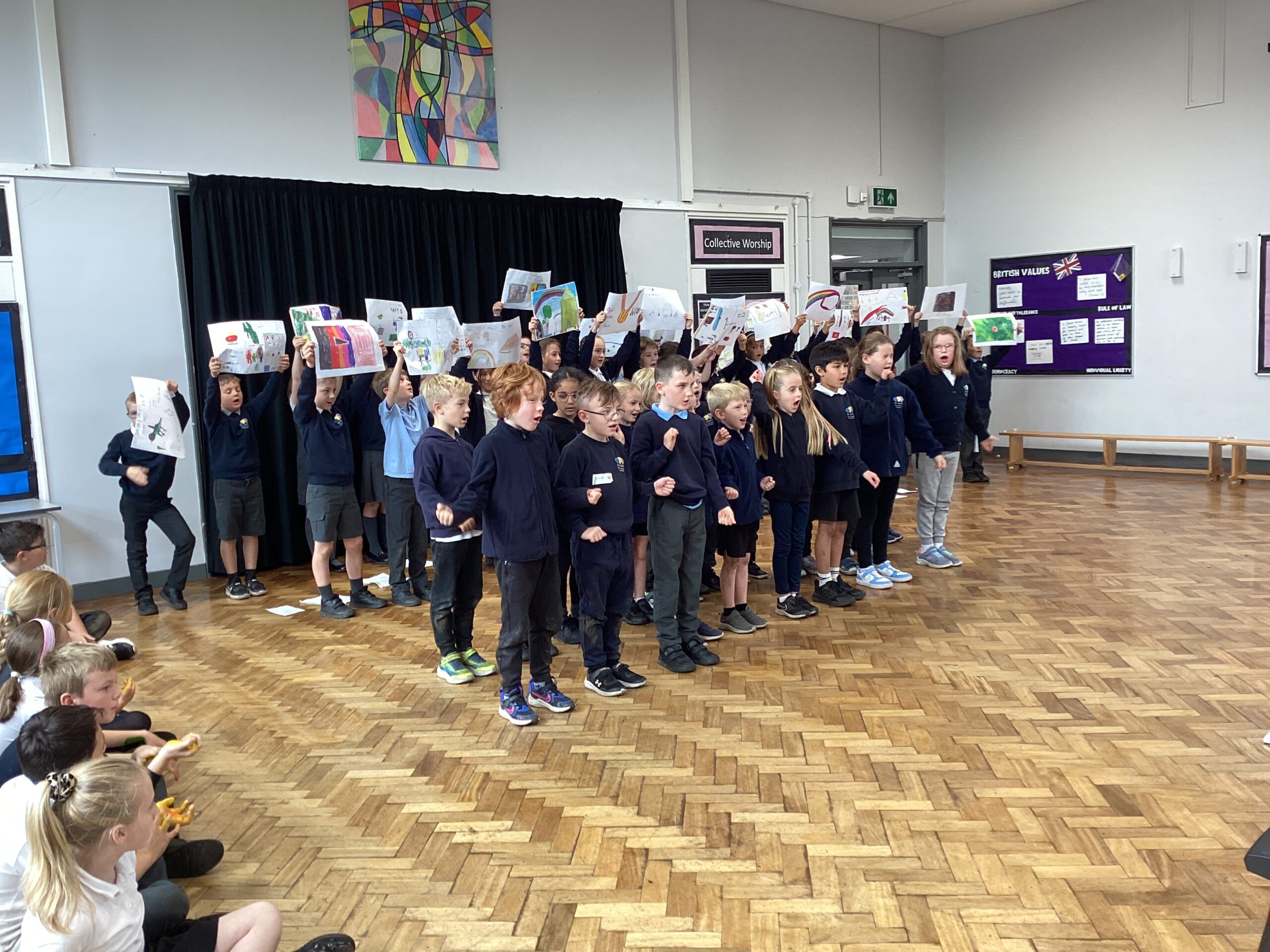
This week we celebrated National Poetry Day with a special poetry assembly.
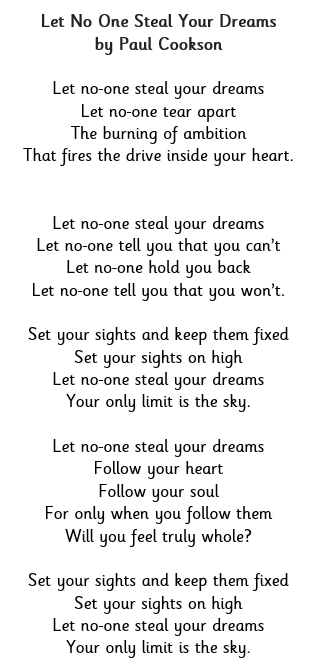
Let No One Steal Your Dreams
We’ve been practising our poem by Paul Cookson all week and the children delivered it to parents, families and the rest of the school beautifully. Learning a poem by heart really is quite tricky!
They projected their voices fantastically and recited the poem with great prosody. It has also be a joy to speak to the children about what their dreams for the future are and to see how they have represented them through art.
If
Some children wanted an extra challenge so also performed the poem ‘If’ by Rudyard Kipling. Some of the words were quite challenging to understand but it was a great chance to think about what you can do to help yourself be happy.
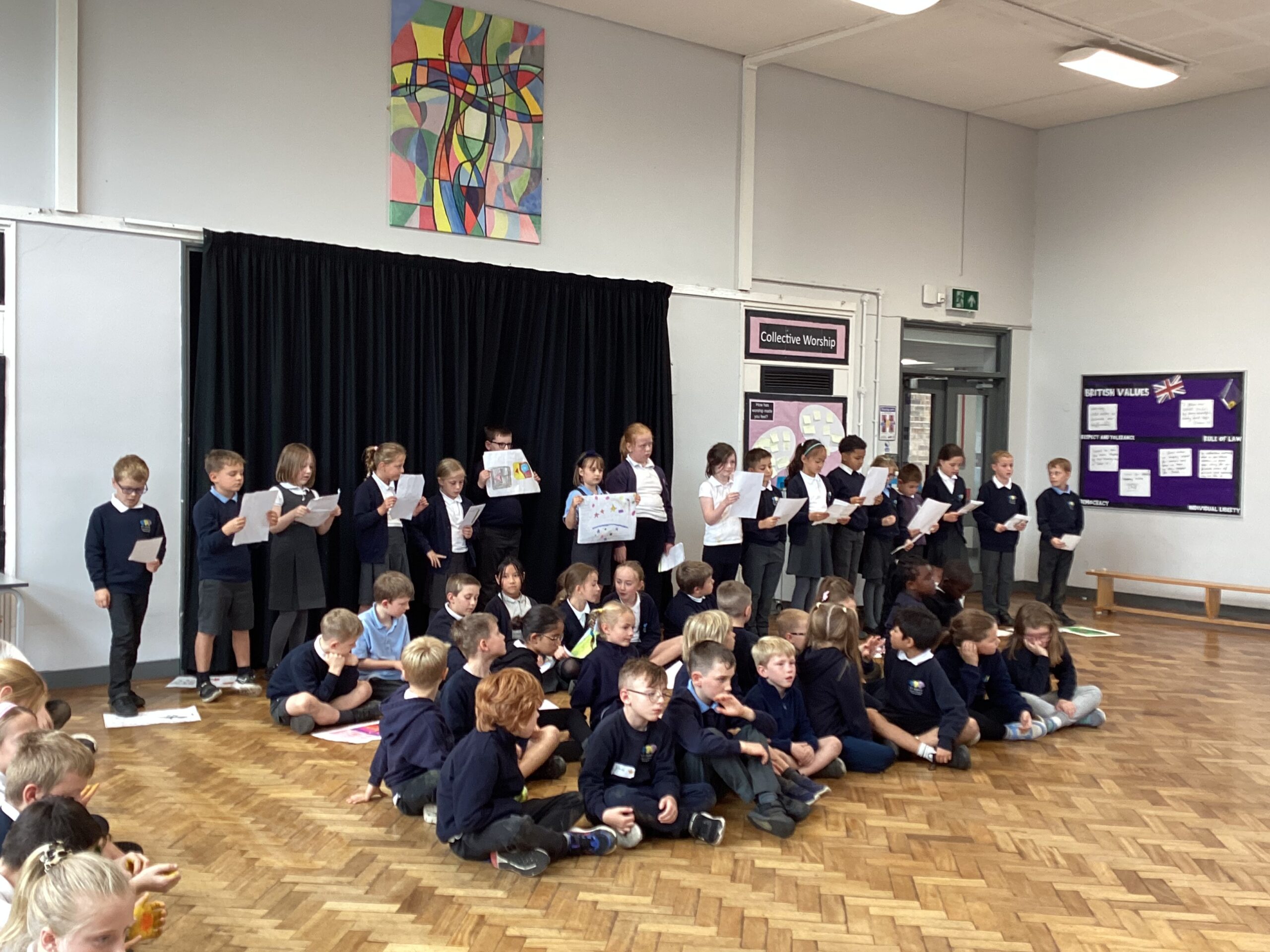
Hearing the last line performed in unison was really impactful!

Why are poems important for children?
Recent research from the National Literacty Trust found that when children consume or create poetry in their free time, they experience important benefits that can impact them in and outside of the classroom.
Children and young people who currently engage with poetry said that poetry:
- helps them to relax
- helps them to learn new things
- helps them to work through emotions
- helps them to understand the views of other people
- helps them to feel more confident
Help at home: visit the children’s poetry archive and explore their brilliant website. Which is your favourite poem?
Living & Learning – I know that rights come with responsibilities
We are very excited about the new Sandringham Park but disappointed that not all users have taken care of it. This led us to reflect on our Living & Learning statement I know that rights come with responsibilities and how this links to using the park.
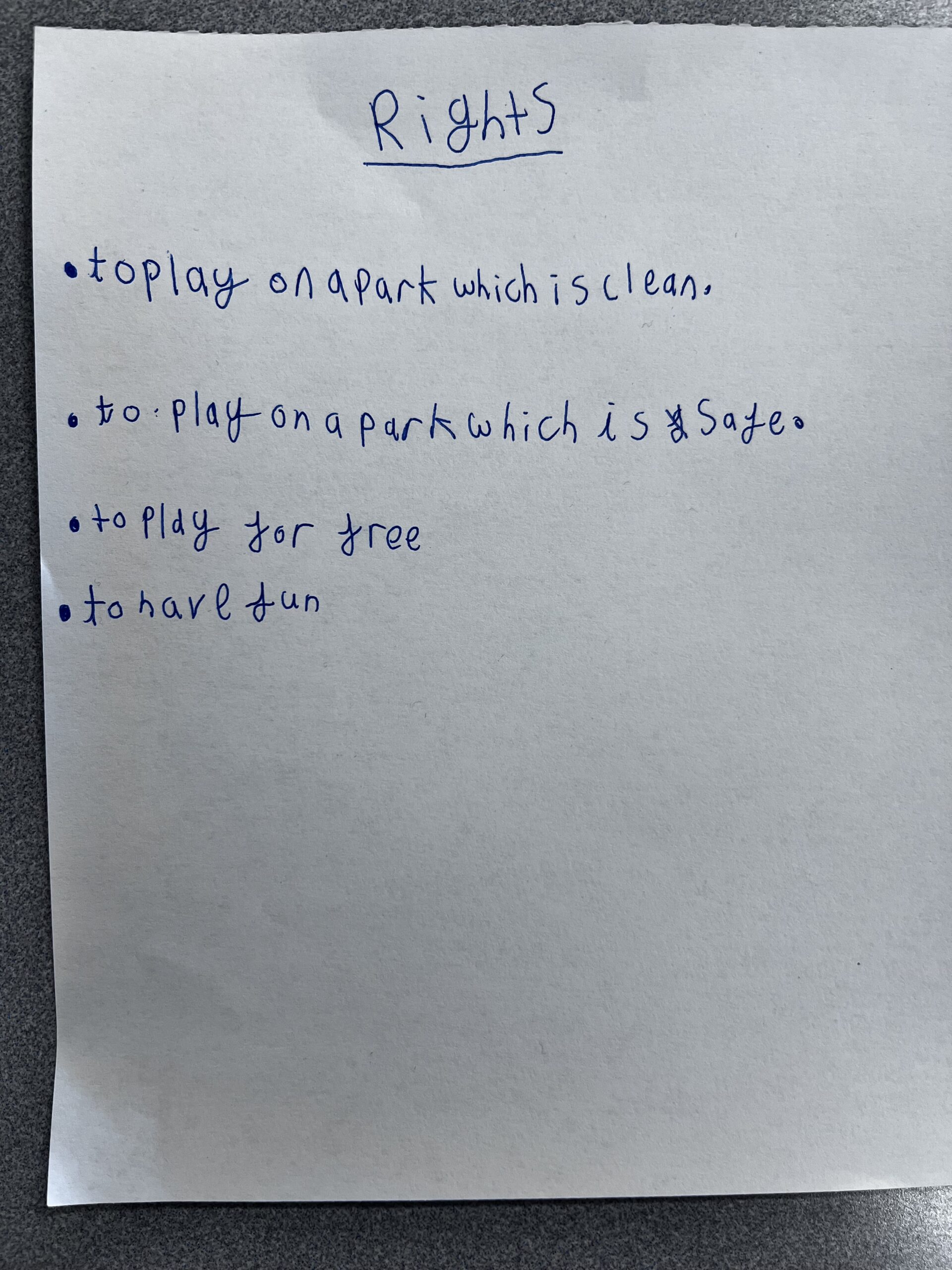
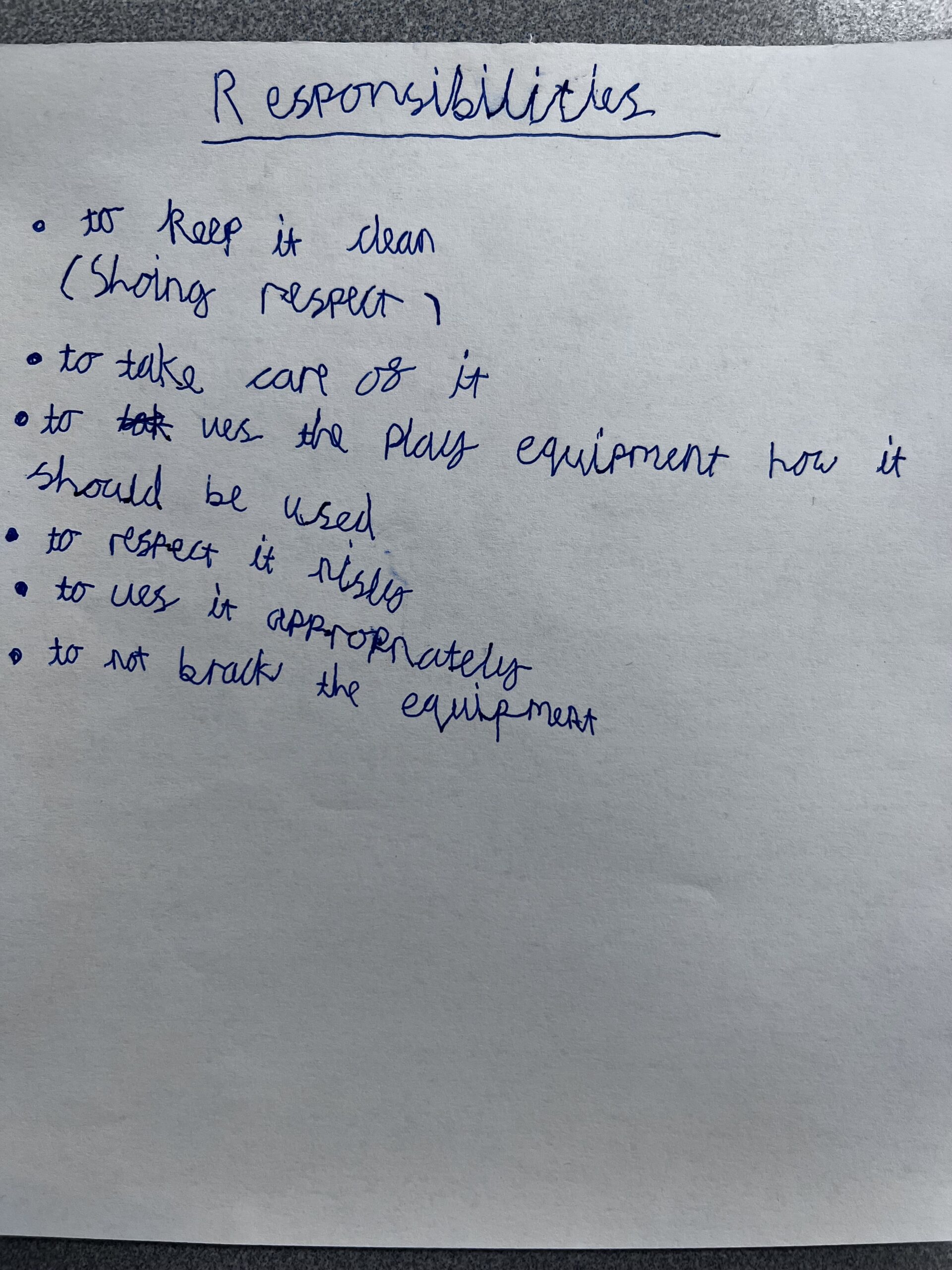
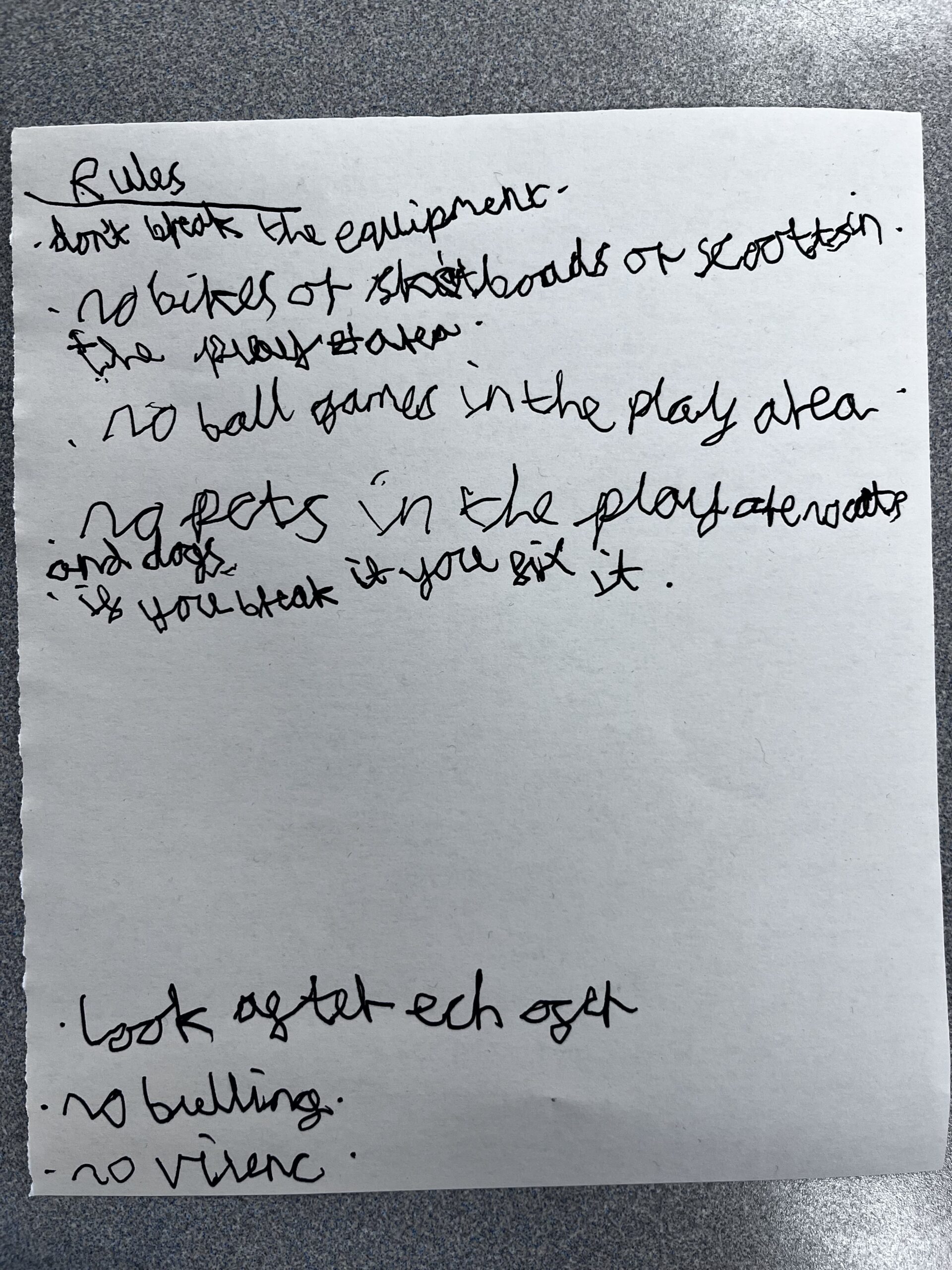
We’re going to send our suggested rules to Wetherby Town Council and see if they would like some hand made posters to encourage users to make the park a happy and healthy place to play!
Science – grouping animals
We’ve really enjoyed talking about some of our favourite animals in science. The children blew me away with their knowledge about amphibians, reptiles, mammals, birds and fish.
We enjoyed thinking about how many different ways we could group animals by using different criteria. Other popular choices included: can fly/can’t fly, lives in the water/lives on land/can live in both and pet/not a pet. I can tell we are going to love this topic so if you do any extra learning at home please let me know so we can share this learning in class and reward the children for their efforts!
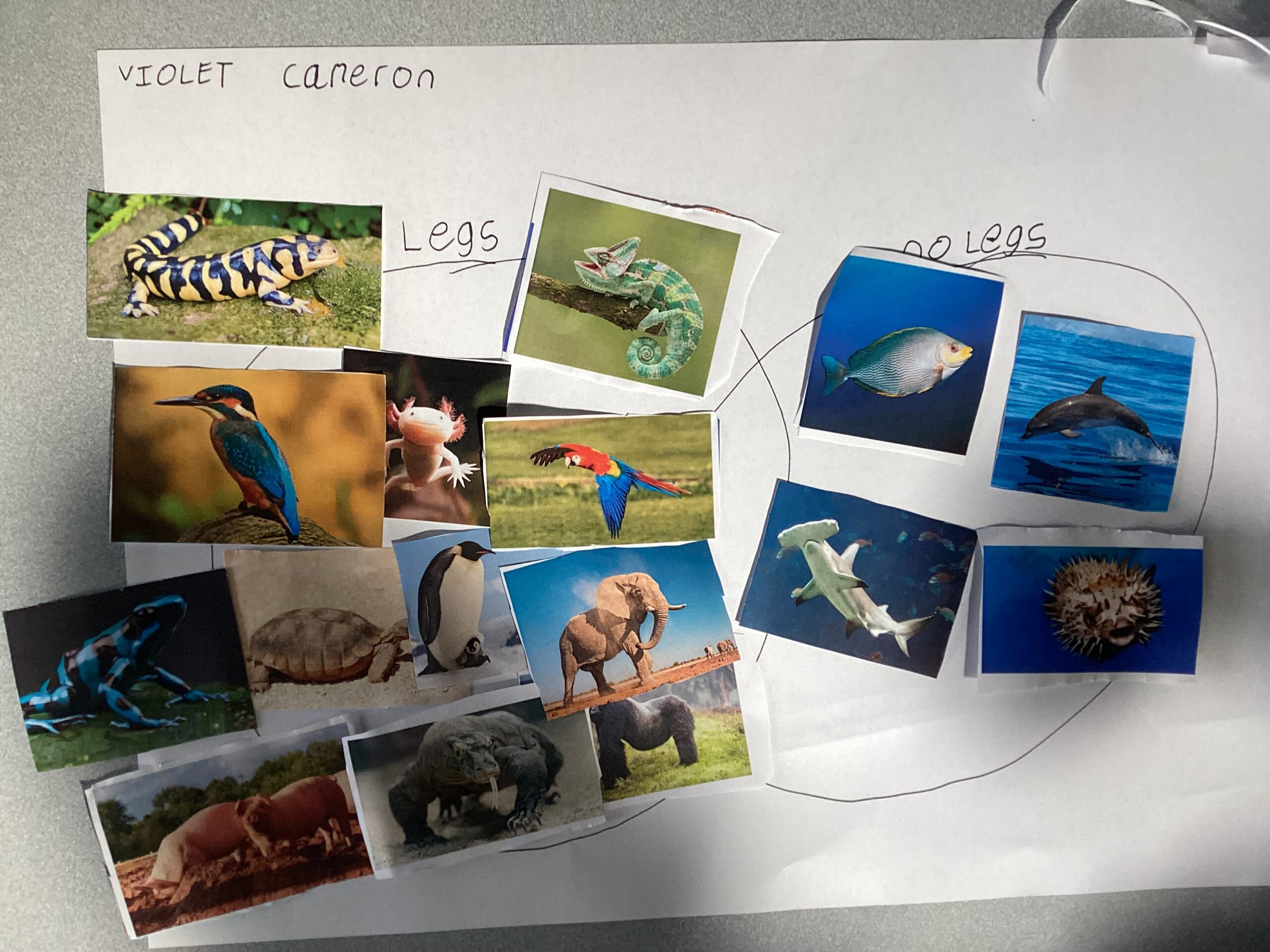
Help at home – BBC bitesize has lots of great material on the topic of classifying animals. This is a good page to start from: https://www.bbc.co.uk/bitesize/articles/zfsqtcw
Doubles
In Mastering Number this week we’ve been thinking about doubles. Specifically, we’ve been looking at:
- 2 x 6 = 12
- 2 x 7 = 14
- 2 x 8 = 16
- 2 x 9 = 18
The children have quickly picked up how to check their doubles using their fingers.
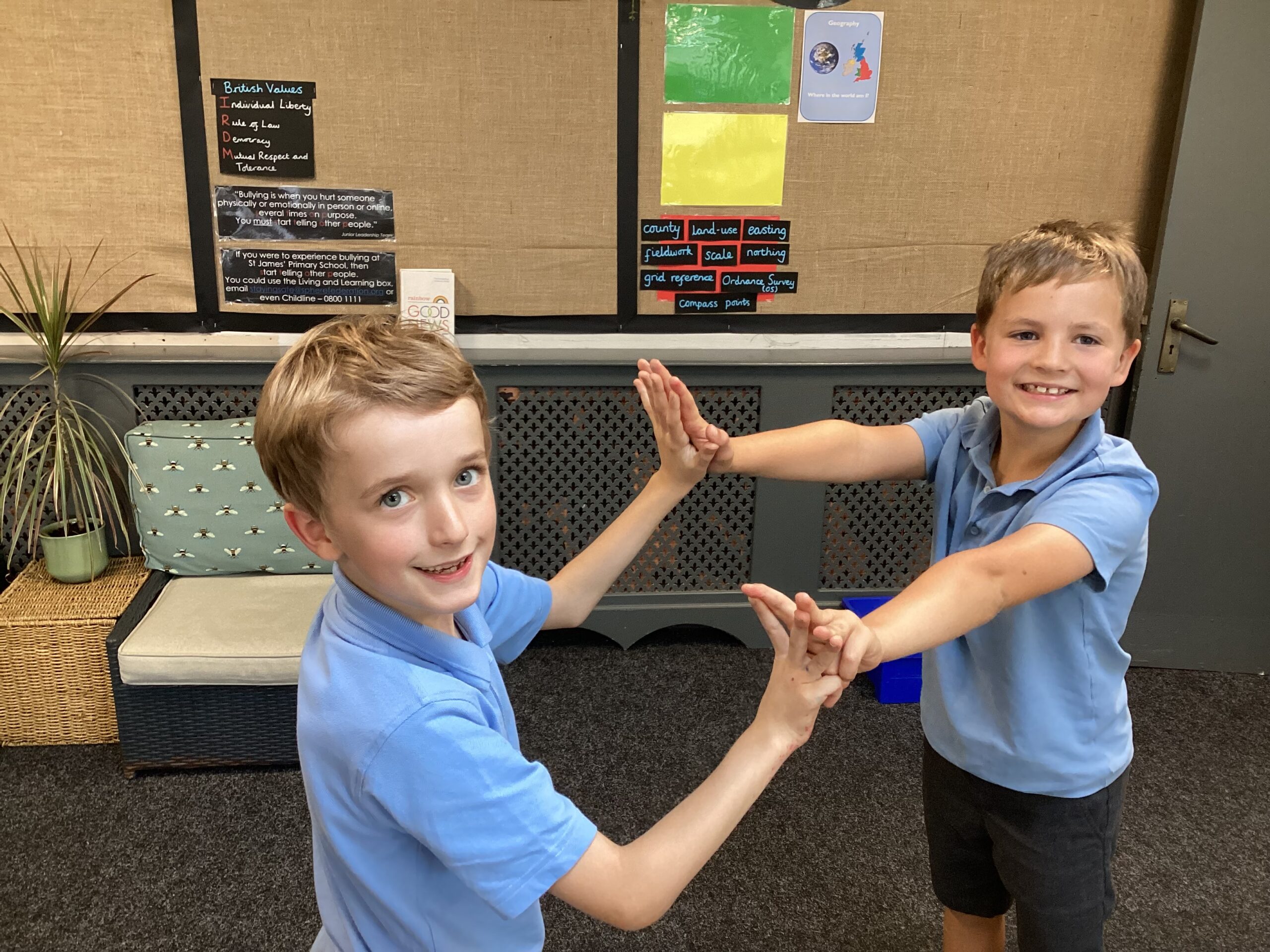
Help at home – ask your child to teach you how you can use your fingers to help you work out your doubles facts.